Drywall Patching & Hole Repair

Drywall Patching in San Diego

Holes, dents, cracks and anchor damage repaired, backed and texture-matched so the fix disappears into the wall. Every estimate is free.

What drywall patching actually involves

Drywall patching is the most common drywall repair we handle, and it's also the one most often done badly. Gypsum board is strong as a sheet but fragile at any cut or broken edge, so damage tends to happen in predictable ways: doorknobs through walls, furniture moved into corners, anchors and toggle bolts torn out under the weight of shelves and TVs, and square openings cut by plumbers or electricians who need access to what's behind the wall.

A lasting patch is structural, not cosmetic. The damaged board has to be cut back to solid material, the opening needs backing so the new piece can't flex or fall in, and the seams need proper tape and multiple thin coats of compound — not a single smear of spackle. In San Diego homes, the final hurdle is usually texture: many houses have knockdown, orange peel, or hand-applied finishes, and a patch that isn't matched to them shows under everyday light no matter how flat it is.

Done right, a patched hole should be impossible to find afterward — flush, stable, and finished to match the wall around it.
How we work

Our drywall patching process

Five steps, in order, on every patch — because the steps that make a repair hold up are the ones you can't see afterward.

  1. Cut back to sound board

    Ragged drywall can't be patched — it has to be squared off first. We cut the damaged area back to firm, unbroken gypsum with a utility knife or oscillating tool, removing every loose edge and crumbly corner so the new compound has a stable perimeter to bond to.

  2. Back the opening

    Any hole larger than a couple of inches gets a solid backing — a plywood or drywall cleat screwed into the existing board, or a California patch for smaller openings. This is what keeps a patch from flexing, cracking, or falling inward the first time the wall takes a knock. It's also the step most quick-fix patches skip.

  3. Set the patch and tape the seam

    A new piece of gypsum board is cut to fit flush with the wall surface, screwed to the backing, and the joints are bedded in paper or fiberglass tape with setting-type compound. Setting compound (rather than pre-mixed) shrinks less and hardens chemically, so the seam can't print through later.

  4. Float and feather in thin coats

    Two to three progressively wider coats of joint compound are floated over the patch, each one sanded and feathered further into the surrounding wall than the last. Thin coats dry faster, sand flatter, and don't telegraph a hump under light the way one heavy coat does.

  5. Match the texture and prime

    The patched area is primed first — fresh compound absorbs paint differently and will flash as a dull spot if skipped — then the texture is sampled and matched to the existing finish, whether that's knockdown, orange peel, or a smooth wall. We blend outward past the patch edges so the repair reads as original wall.

Recent work

Before and after drywall patching

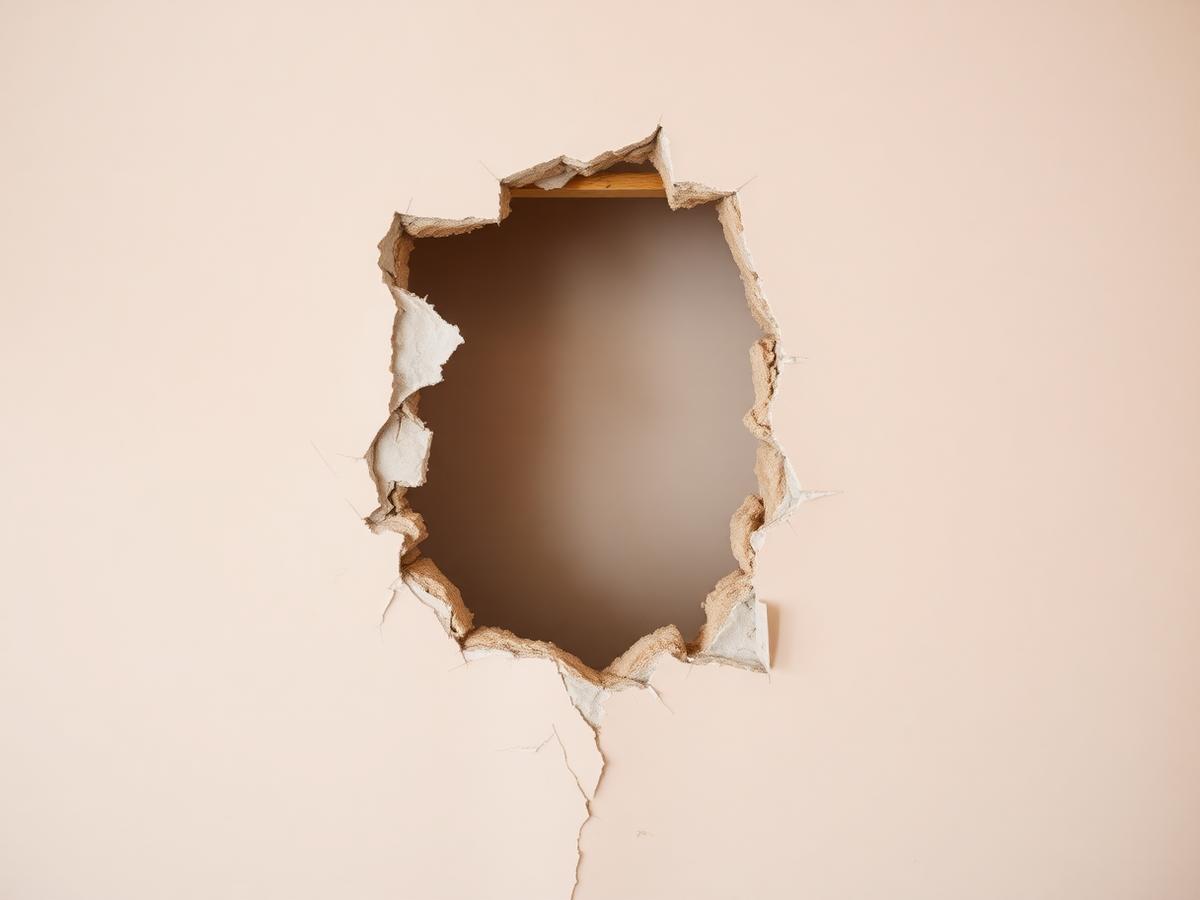
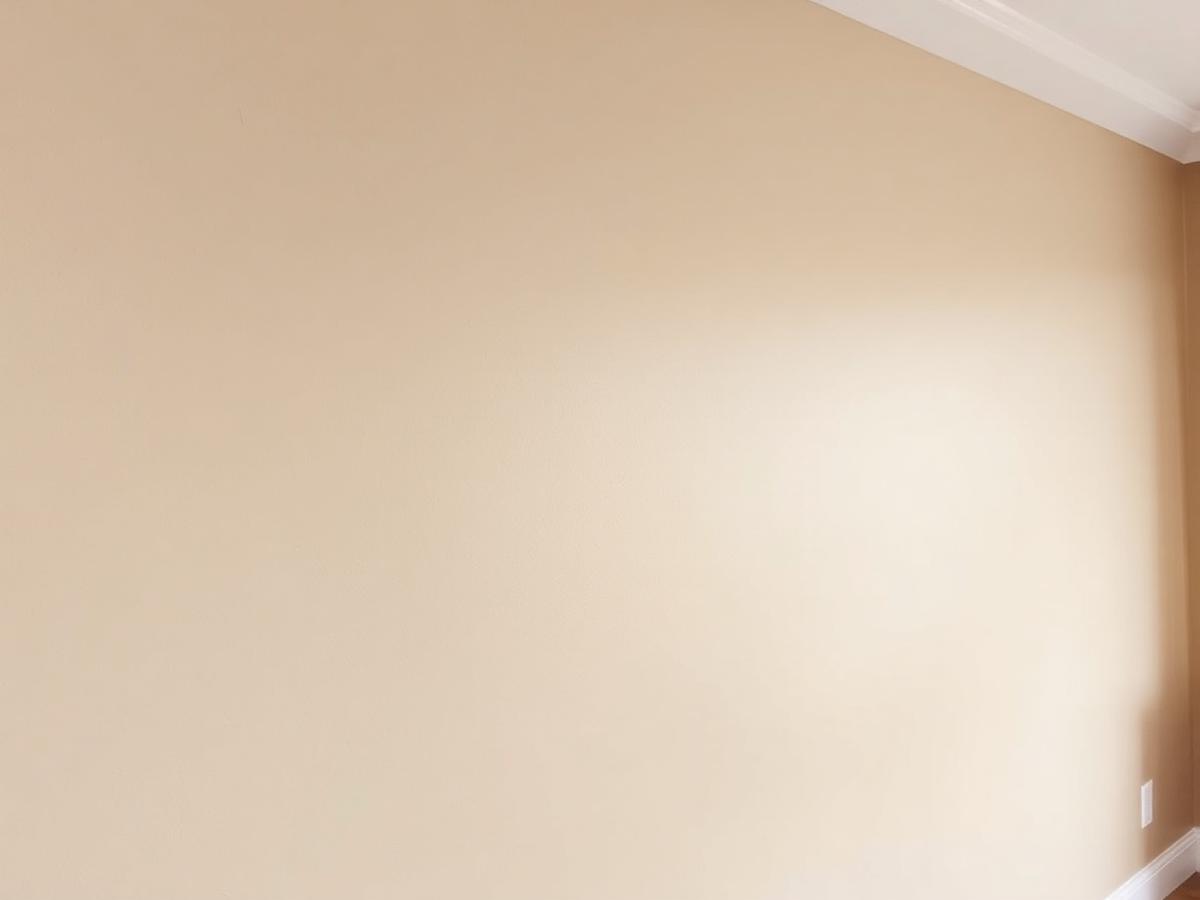
A typical impact-hole repair in a San Diego home — from torn board to a finish that reads as original wall.

Large jagged hole in interior drywall before drywall patching in a San Diego homebefore
Finished seamless wall after drywall patching and texture matching in San Diegoafter

Impact Hole Repair & Texture Match

A large impact hole cut back, backed and floated, then re-textured and painted so the repair reads as original wall.

Signs to look for

When to call for drywall patching

Holes from impact, anchors, or fixtures

Doorknob dents, furniture gouges, failed drywall anchors, and openings left behind when shelves, TVs, or plumbing and electrical fixtures are moved. Anything bigger than a nail hole needs more than spackle to hold up.

Cracks or seams that keep opening back up

A crack that's been caulked or painted over more than once is moving. Recurring cracks and tape seams that bubble or split usually mean the joint underneath was never properly taped and bedded, and cosmetic filler won't stop it.

Damage left by a leak or repair access

After a plumber or electrician cuts access openings, or a leak stains and softens a section of wall, the board often needs to be cut out and patched properly rather than painted over — soft or stained drywall keeps deteriorating under paint.

Questions

Drywall patching FAQs

Answers to the questions we hear most often about drywall patching and hole repair in San Diego.

How much does drywall patching cost in San Diego?

Cost depends mostly on the size of the hole and how much texture matching is needed afterward. A small patch from a doorknob or anchor is usually quick and affordable, while larger holes that need backing material and more extensive texture work take more time and cost a bit more. We give you a free estimate upfront so there are no surprises once the work starts.

Can a large hole be patched, or does the whole panel need replacing?

In most cases, a large hole can still be patched rather than replacing the entire panel. We cut the damaged area back to solid material, install a backing so the new piece can't flex or shift, and then float the compound over it in layers. Full panel replacement is usually only necessary if the damage is widespread, if there's water damage behind it, or if a large section of the board is compromised.

How long before I can paint over a patch?

This depends on how many coats of joint compound the patch needed and how thick they were. Once the final coat is sanded smooth, the area needs to be fully dry before priming and painting. We'll let you know a realistic timeline during the repair itself, since drying time can vary a bit with humidity and how the room is ventilated.

Will the patch be visible after it's done?

That's the goal, for it not to be. A clean patch depends on more than just filling the hole. Matching the surrounding texture and blending the paint are what actually make a repair disappear. We sample your existing texture, whether it's smooth, knockdown, orange peel, or something else, and work it in by hand so the finished patch reads as part of the original wall.

Free estimate

Get your drywall patch quoted today

Tell us what the damage looks like and where it is — a photo helps — and we'll come back with a clear, no-obligation estimate. Prefer to talk it through?

Call 619-935-3909

No obligation. We'll only use your details to respond to this request.

Call NowFree Quote