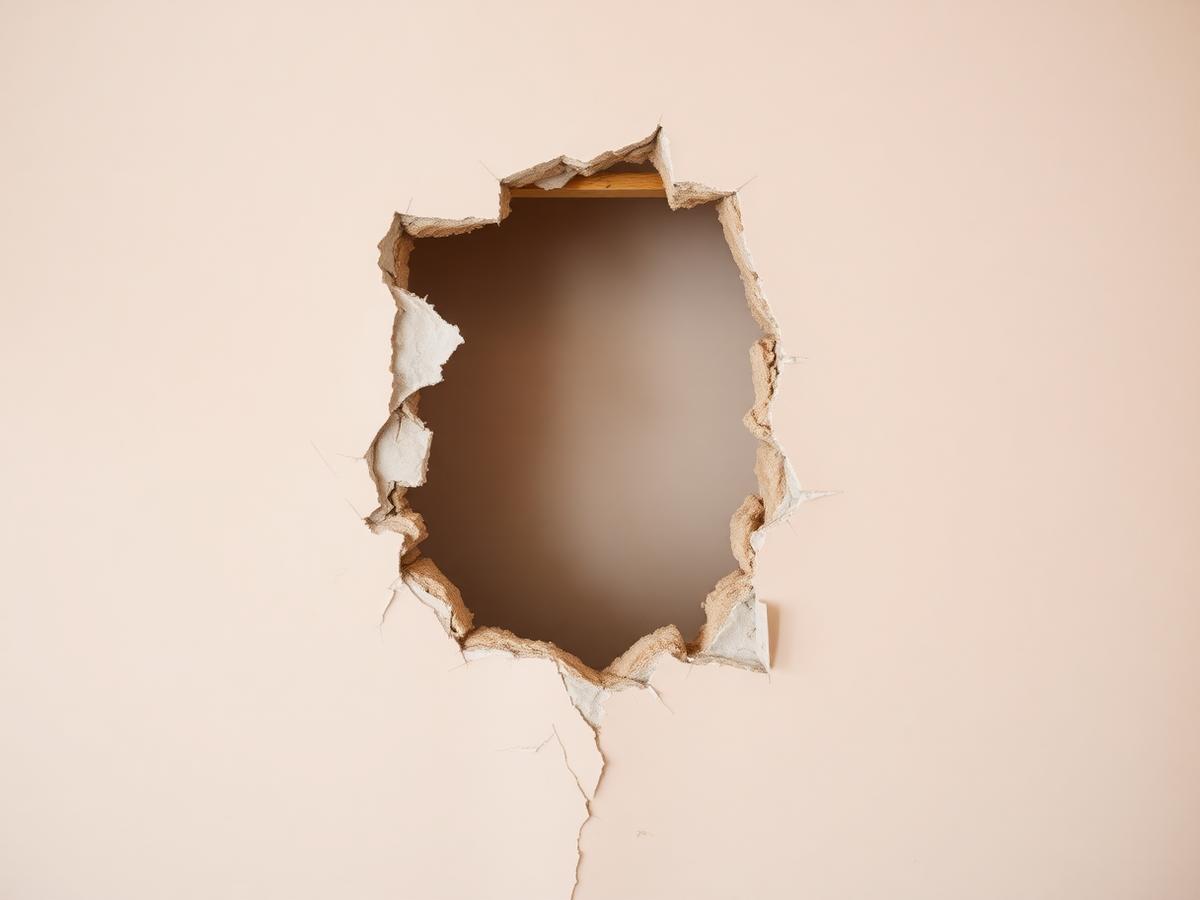
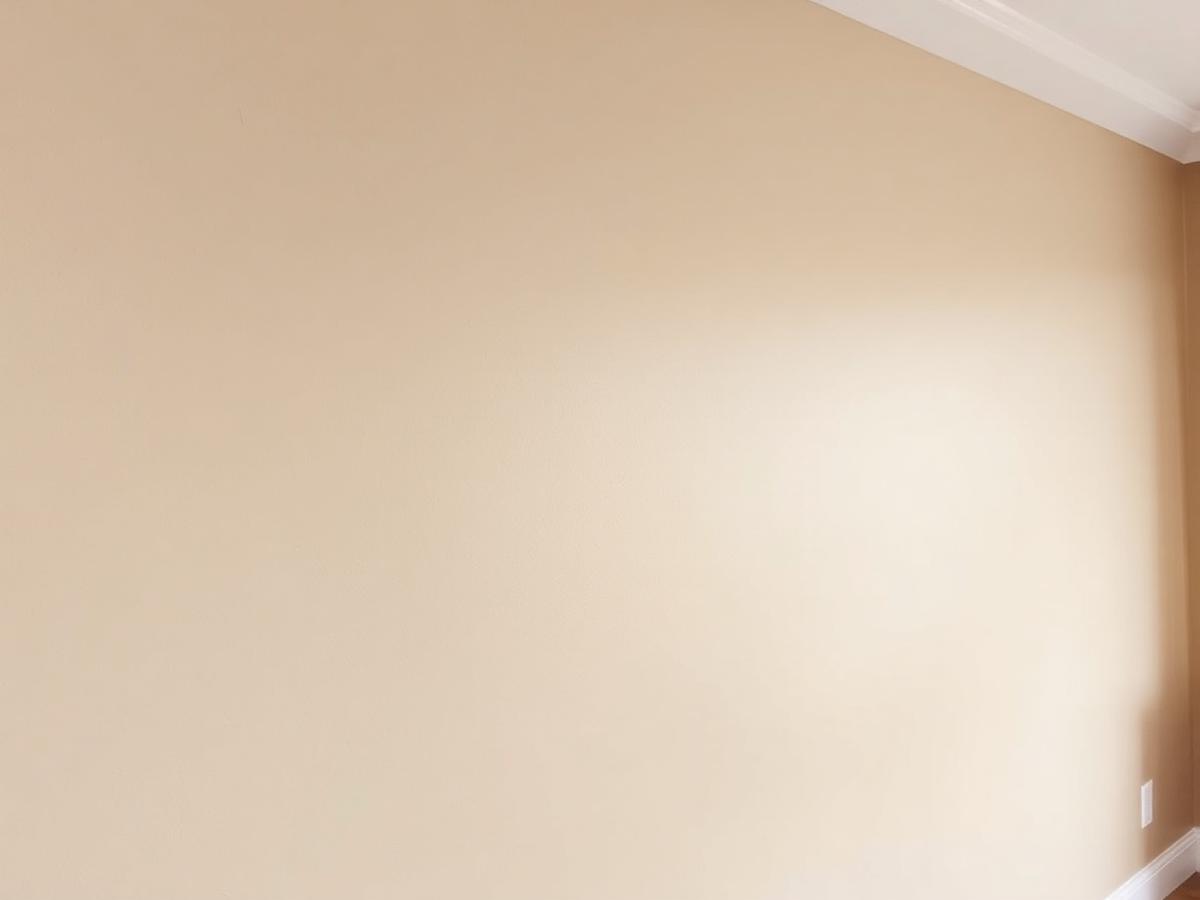
Texture matching is the finish work that makes a drywall repair truly invisible. In San Diego, homes carry a wide mix of textures — sprayed orange peel and knockdown in newer construction, skip trowel and hand-troweled finishes in coastal and older properties, and smooth Level 5 walls in modern remodels. Each one requires a different approach, and getting it wrong is what turns a flat patch into an obvious eyesore.
The process starts before any compound is applied. We read the existing finish under raking light, sample the spray pattern or hand technique, and test on scrap board until the texture matches. Factors like compound viscosity, air pressure, nozzle size, knockdown timing, and application angle all matter. A knockdown wall that's sprayed too wet or flattened too late won't match the surrounding surface no matter how well the patch itself is done.
Most texture-matching jobs follow either a repair — a hole, crack, or water-damaged section — or a change, like removing a fixture, relocating a vent, or stripping old acoustic ceiling texture. In every case, the goal is the same: a wall or ceiling that reads as one continuous surface after paint, not a repair sitting on top of it.