Drywall Restoration

Water Damage Drywall Repair in San Diego

Stained, soft or sagging drywall opened, dried, rebuilt and texture-matched so the repair disappears and the damage doesn't come back.

What water damage drywall repair involves

Water damage drywall repair is the process of removing wall or ceiling board that has gotten wet, eliminating the source of moisture, drying the cavity behind it, and rebuilding the surface so it matches the rest of the room. It is one of the most common calls we get in San Diego because leaks are often small, slow, and hidden — a pinhole in a pipe, a roof vent that lifts in a storm, or condensation collecting in an unvented ceiling. By the time the stain shows through paint, the drywall behind it has usually already absorbed more water than the surface suggests.

The repair matters because covering a stain rarely works long-term. Water changes the structure of drywall, making it soft, crumbly and prone to mold. Even after the leak is fixed, moisture can stay trapped in the cavity, especially in humid coastal neighborhoods where natural drying takes longer. The only durable fix is to remove the compromised material, make sure the framing and air space are actually dry, then patch, texture-match, and prime with a stain-blocking product so the discoloration does not bleed back through.

Our network handles everything from single ceiling stains after a bathroom leak to larger wall repairs following weather intrusion. We work room by room, contain the dust and debris, and coordinate with plumbers or roofers when the source still needs to be stopped. The goal is to return the wall or ceiling to a paint-ready finish that looks like nothing ever happened to it.
How we work

Our water damage drywall repair process

Five steps that remove the damage, stop the moisture, and rebuild the surface to last.

  1. Find and stop the moisture source

    Repair starts with identifying where the water came from — a roof leak, plumbing, a failed fixture, or coastal condensation in an enclosed space. We look above and behind the visible stain, confirm the leak is stopped or schedule work around a plumber or roofer's repair, and mark every area that has actually gotten wet. San Diego's coastal humidity can keep a small leak active longer than it looks, so the source has to be resolved before new board goes up.

  2. Remove compromised drywall and insulation

    Soft, swollen, discolored or crumbling drywall has to come out, and any wet insulation behind it gets bagged and removed at the same time. We cut back to dry, solid board with clean edges so the patch has something to tie into. We also open enough of the cavity to let the framing and air space dry fully, which is what prevents the stain from reappearing later.

  3. Dry and treat the cavity

    Once the wet material is out, the cavity is aired and dried until the wood and surrounding drywall read dry. If we find surface mold on the framing or surrounding board, we treat it before anything new is installed. We do not seal over a damp cavity — new drywall installed over trapped moisture will fail again, sometimes within weeks.

  4. Install backing, patch and float the repair

    We add backing where the cut edges are open, set new drywall pieces to fill the opening, tape the seams, and apply joint compound in thin coats. Each coat is sanded smooth before the next one goes on. In ceiling work we use fasteners spaced tightly enough that the patch won't sag over time, and we feather the repair wide enough that the transition disappears under normal light.

  5. Texture-match, prime and paint-ready finish

    The final step is matching the existing wall or ceiling texture — orange peel, knockdown, skip trowel, or smooth — and applying a stain-blocking primer before the topcoat. The primer seals any residual discoloration so it does not bleed through the new paint. Once primed, the area is ready for the finish coat and reads as part of the original surface.

Recent work

Before and after water damage drywall repair

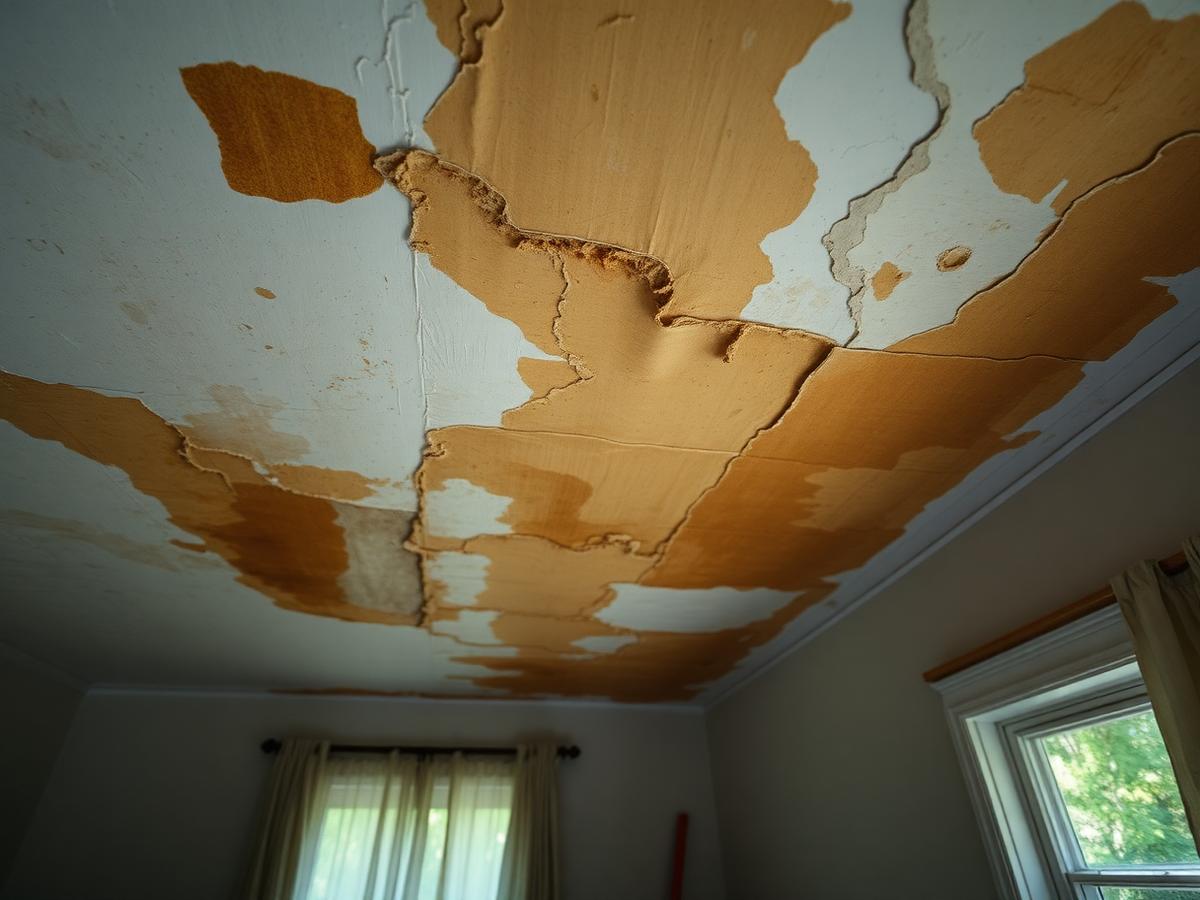
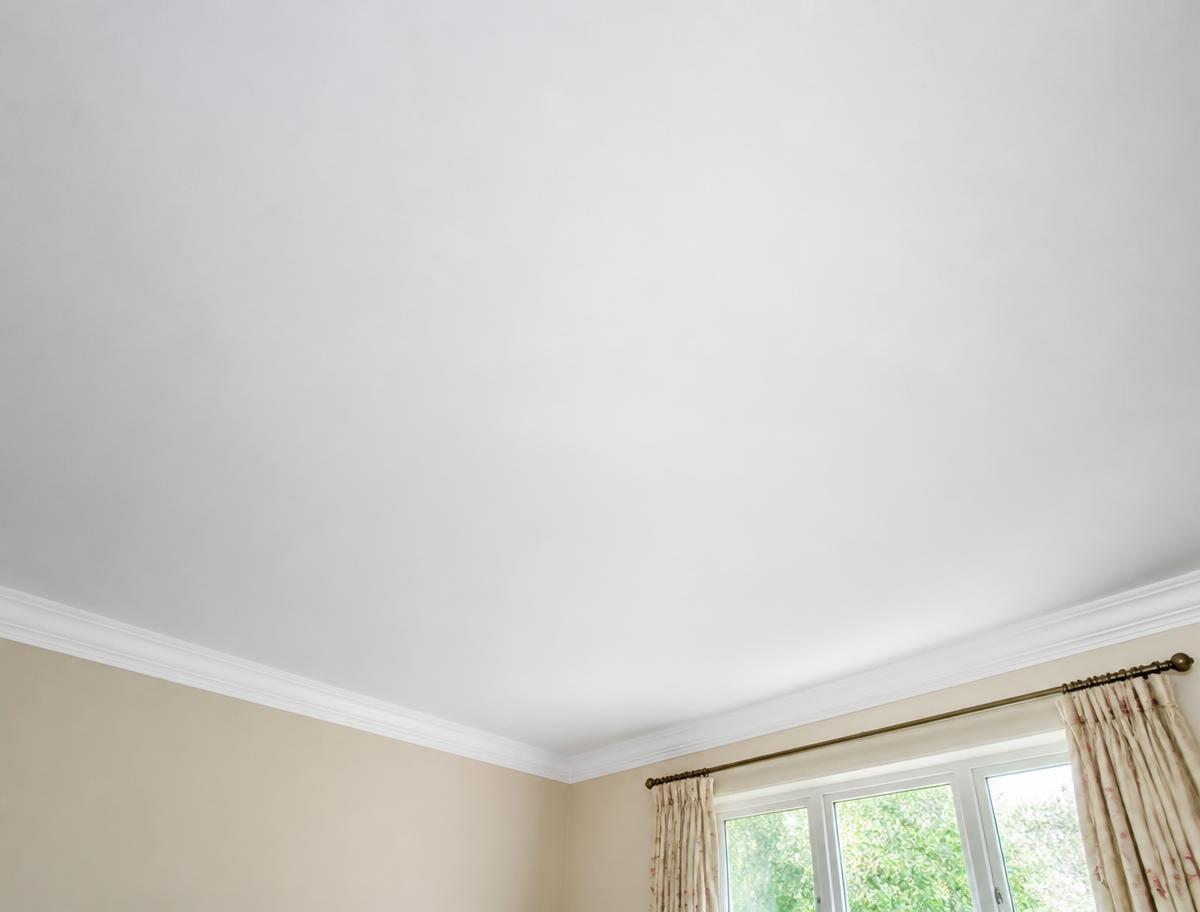
A water-stained, sagging ceiling in a San Diego home dried, patched and finished to blend with the rest of the room.

Stained water damaged ceiling before water damage drywall repair in a San Diego homebefore
Ceiling repaired and texture matched after water damage drywall repair in San Diegoafter

Water Damage Drywall Repair

A stained, sagging ceiling in a San Diego home opened, dried, patched and finished so the repair is invisible.

Signs to look for

When to call for water damage drywall repair

Stains, bubbles or soft spots on walls or ceilings

Yellow-brown staining, paint that is bubbling or lifting, and drywall that feels soft or spongy when pressed are all signs water has gotten into the board. These spots usually sit directly below or near the leak source and rarely resolve on their own.

A musty smell after rain or plumbing work

Drywall can hold moisture in the cavity for weeks, especially in humid coastal areas. If a room smells musty after rain, a recent leak, or even routine air conditioning cycles, there may be hidden water damage behind the finished surface.

Ceiling sagging or texture flaking

Ceiling texture that starts to flake off in chips, or a ceiling panel that looks bowed or sagging, usually means the drywall has lost its bond with the framing from repeated or sustained wetting. Waiting risks a larger section coming down.

Questions

Water damage drywall repair FAQs

Answers to common questions about repairing water-damaged drywall in San Diego.

How do I know if my drywall has water damage that needs repair?

Look for staining, a soft or spongy feel when you press on the wall or ceiling, bubbling paint, or a musty smell in the room. Sometimes the surface looks fine but the drywall behind it is already compromised, especially with slow leaks from plumbing or roofing that build up over time.

Do you just cover the stain, or does the drywall need to come out?

Covering a water stain without addressing what's behind it usually means the stain comes back. We remove any drywall that's soft, discolored, or showing signs of mold, confirm the area behind it is fully dry, then rebuild and seal it properly before finishing.

Is mold a concern with water-damaged drywall in San Diego?

It can be, especially with coastal humidity that slows down natural drying after a leak. If we find mold during removal, we make sure the affected material is taken out and the area is treated before any new drywall goes in, rather than sealing over a problem that's still there.

Can this be used for an insurance claim?

Yes, we can document the damage and the repair process, which is often helpful if you're filing a claim. It's worth checking with your insurance company about their specific documentation requirements before work begins, since some prefer photos taken before any repair starts.

Free estimate

Get your water damage repair quoted today

Tell us where the leak showed up, how long it's been there, and what caused it if you know. We'll come back with a clear, no-obligation estimate and a plan to stop the damage from returning. Prefer to talk it through?

Call 619-935-3909

No obligation. We'll only use your details to respond to this request.

Call NowFree Quote